





Prevent your Fescue from Browning!
Maintaining a lush, green fescue lawn in Northwestern Arkansas can be challenging, especially when faced with fungal diseases that plague even the hardiest grasses. Fescue grass, known for its durability and rich green color, is not immune to fungal infections, which can cause unsightly patches, reduce the overall health of your lawn, and turn your once vibrant landscape into an eyesore.
At Ace of Blades, our fescue fungicide applications combat and prevent fungal infections in NW Arkansas lawns. Our expertise ensures that your lawn receives targeted treatments using fungicides that effectively eliminate existing problems and protect against future outbreaks.
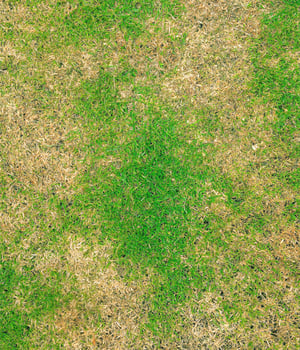
Fescue Fungicide Application Services
Achieving a lush, green, fescue lawn requires more than regular lawn care. While hardy, fescue grass is susceptible to various fungal diseases that can quickly turn a vibrant lawn into a patchy eyesore.
Ace of Blades offers comprehensive fescue fungicide application services designed to keep your lawn healthy and vibrant. We can prevent your lawn from letting fungal diseases grow and spread through proper fungicide use and lawn maintenance solutions.
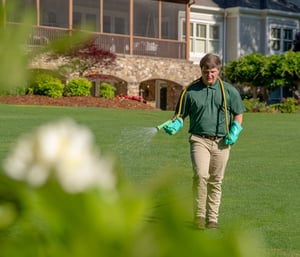
Your Fescue Fungicide Applications Questions Answered
From how fungal diseases spread in your lawn to improper practices that could harm your yard, learn more about our fescue fungicide application service and how to maintain a green and healthy lawn year-round.Three common diseases typically affect fescue lawns:
- Brown Patch, or Rhizoctonia solani, causes circular brown patches in various sizes. It often appears during warm, humid weather.
- Dollar Spot, or Sclerotinia homoeocarpa, appears as small, round patches of dead grass that can merge to form larger areas. This disease thrives in warm, humid conditions.
- Pythium Blight, or Pythium spp., causes a wet, greasy appearance on grass blades, which can lead to rapid lawn decline. Affected areas may appear water-soaked, and the disease can progress quickly, especially during hot and humid weather.
The best times for fescue fungicide application are late spring to early summer and early fall, as these are periods when fungal diseases are most active. If you want your fescue to remain healthy and vibrant throughout the summer, you may need multiple fungicide applications from June to August.
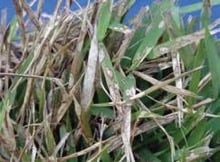
The frequency of fungicide applications for fescue lawns depends on several factors, including the specific fungal diseases present, the local climate, and the overall health of the lawn.
- Preventative: Every 4 to 6 weeks during the growing season.
- Curative: As needed to treat fungal infections, usually every 14 to 21 days during the peak disease periods.
- Seasonal: If there is a history of disease or if conditions are favorable for fungal growth, start fungicide applications in early spring. In the summer, monitor your lawn closely for signs of disease, particularly during high humidity and heat periods. Apply fungicides as needed in the fall.
Choosing the right fungicide is crucial in Northwest Arkansas, where the climate can be conducive to various fungal diseases. Systemic fungicides, such as azoxystrobin, propiconazole, and myclobutanil, are often recommended. It’s important to rotate between different classes of fungicides to prevent resistance and to use fungicides as instructed.
For the best results, it’s often helpful to consult with a local lawn care professional who can recommend specific products based on your area’s current fungal pressures and environmental conditions.
Fungicide applications can both prevent and treat fungal diseases in fescue lawns. The effectiveness of fungicides in either capacity depends on the timing of the application and the type of fungicide used. By employing both preventative and curative strategies, you can maintain a healthier fescue lawn and reduce the impact of fungal diseases.
Preventative applications help create a protective barrier on the grass, inhibiting fungal spores from establishing infections. They are especially useful in areas prone to recurring fungal issues or during conditions conducive to fungal growth.
Conversely, curative fungicides work by targeting the specific fungus responsible for the infection. They can help arrest the progress of the disease and promote recovery of the affected lawn areas.
Implementing lawn care best-practices can significantly reduce the need for fungicides by promoting a healthy lawn environment less conducive to fungal growth. Here are some effective practices for maintaining a healthy fescue lawn:
- Proper Mowing: Maintaining the correct mowing height helps fescue grass develop deeper roots and enhances its stress tolerance, making it less susceptible to diseases.
- Adequate Irrigation: Watering deeply and infrequently encourages deep root growth, improving the lawn’s overall health and resilience against diseases.
- Good Drainage: Ensuring good drainage prevents water from pooling on the lawn, creating damp conditions that promote fungal growth. Proper drainage helps maintain a healthy soil structure and prevents root rot.
- Appropriate Fertilization: Applying the right amount of fertilizer helps fescue grass maintain growth and resist disease pressure.
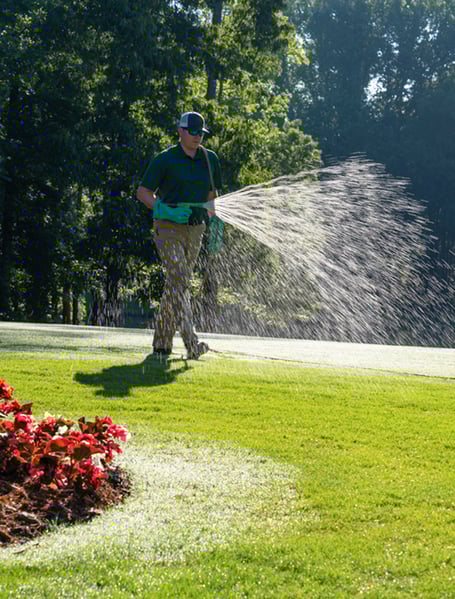
Apply fungicides during periods conducive to disease development or at the first sign of infection. Ensure even coverage using a calibrated sprayer, focusing on high-risk areas. Follow product label instructions for proper dosage and timing, and avoid application during extreme weather conditions to maximize effectiveness and minimize environmental impact.
If you see signs of fungicide resistance in your fescue lawn, take the following steps:
- Rotate Fungicides: Use fungicides with different modes of action to reduce the risk of resistance developing further.
- Combine Treatments: Consider using contact and systemic fungicides for more effective control.
- Consult Experts: Seek advice from a lawn care professional or extension service for tailored recommendations and advanced management strategies.
Observe the symptoms for distinctive signs such as leaf spots, patches, or discoloration. Next, consider the recent weather patterns and cultural practices, as factors like humidity, temperature, and watering habits can influence disease development.
If you are uncertain, consult a lawn care professional to provide accurate diagnosis and treatment recommendations.
Yes, when applied by a professional, it is generally safe for pets and children to return to the lawn once the fungicide has fully dried. This typically takes around 24 hours, but to ensure safety, it’s best to wait up to 48 hours or follow the guidance provided by your lawn care service.
Re-evaluate your application method to ensure the fungicide was applied according to the label instructions. Check if it was applied at the correct stage of the disease and consider whether more frequent applications might be necessary. Assess environmental factors that could be contributing to persistent disease issues.
If the issue persists, consult a lawn care professional or extension service for a detailed diagnosis and tailored recommendations.
Serving Northwest Arkansas Since 2005
Ace of Blades Lawn Care is proud to serve homeowners throughout Springdale and Northwest Arkansas, covering a wide range of communities in Benton and Washington counties. Our team provides dependable lawn care and yard services to Springdale, Fayetteville, Rogers, Bentonville, and Pea Ridge, as well as local neighborhoods like Bethel Heights, Lowell, Sonora, Johnson, Elm Springs, Cave Springs, Tontitown, Prairie Creek, Little Flock, Goshen, Highfill, Centerton, Farmington, and Gentry