






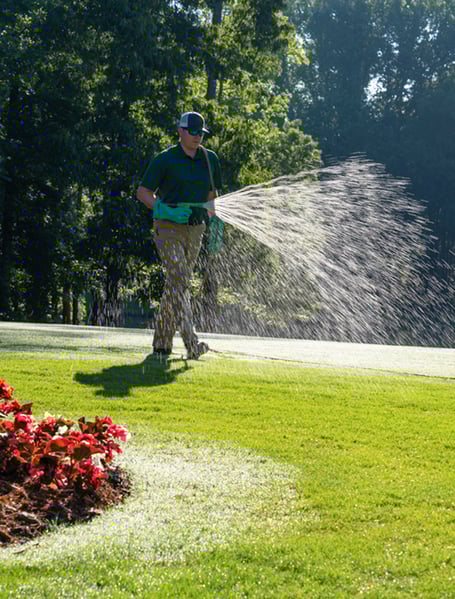


Spring in Northwest Arkansas brings more than green grass, it kicks off a short, critical window to rebuild your lawn after winter dormancy. With clay-heavy soils, sudden temperature swings, and spring rains, NWA yards face unique challenges. If you want vibrant turf and fewer weeds through summer, now’s the time to act.
In Northwest Arkansas, spring brings challenges, such as compacted soil, early weed growth, and fluctuating moisture levels. Homeowners and property managers must follow strategically planned spring lawn care steps tailored to the region’s unique climate.
In this guide, we’ll cover everything from the basics, like early cleanups to spring lawn treatments, to help you get your lawn in peak condition for the season ahead.
Why Spring Lawn Care Matters in Northwest Arkansas
The Ozarks’ spring climate, marked by cool nights, warm days, and high humidity, sets the stage for turf growth and weed takeover alike. Without early prep, Arkansas lawns quickly fall victim to crabgrass, fungal patches, and compacted soil from winter freeze-thaw cycles. Proactive treatment is key to staying ahead.
Common springtime challenges that make timely action so important include:
- Dormant or Sparse Grass: Cold temperatures and reduced sunlight slow growth and leave your lawn looking patchy or thinned as it emerges from dormancy.
- Compacted Soil: Snow, rain, and foot traffic compress the soil, making it harder for roots to access air, water, and nutrients.
- Invasive Weeds: Crabgrass, Dandelions, and other aggressive invaders thrive in warming soil and quickly outcompete healthy grass if left unchecked.
- Lawn Diseases: Excess moisture from spring rains can encourage fungal growth and lawn diseases like brown patches or dollar spots, which can spread rapidly without early treatment.
To avoid these issues, homeowners and businesses need to act early, leveraging proven spring lawn care steps used by experienced professionals. That’s where Ace of Blades comes in. As a trusted name in lawn care in Northwest Arkansas, our team understands what your grass needs and when it needs it.
Step-by-Step Spring Lawn Care Plan
Not sure where to start with spring lawn maintenance? Follow these essential spring lawn care steps to help prepare your lawn for a vibrant, growing season:
1. Clean Up Debris and Leaves
Start by clearing away oak leaves, acorns, and storm-downed twigs common to Arkansas lawns. Use a spring rake to break up thatch and let your soil breathe again. This prevents mold growth and improves air flow in our dense, moisture-retaining soils.
Pro Tip: Don’t forget to rake gently to avoid damaging new grass shoots.
2. Mow Early and Often (at the Right Height)
Start mowing when your lawn begins growing. For cool-season grasses like fescue and bluegrass, aim for a mowing height of 2.5–3.5 inches. Avoid cutting too short, which stresses the lawn and encourages weeds and ensure your mower blades are sharp to avoid tearing the grass.
3. Aerate the Soil (If Needed)
If your lawn feels hard or water pools after rain, it may need aeration. This process loosens compacted soil and improves the flow of air, water, and nutrients to the roots.
Best Time: Fall is ideal, but early spring works well, especially for lawns with heavy winter traffic or snow cover.
4. Apply a Spring Lawn Treatment (Fertilizer and Pre-Emergent Herbicide)
Apply a slow-release fertilizer to encourage steady spring growth. To stop weeds like crabgrass before they emerge, use a pre-emergent herbicide early in the season.
Expert Tip: Timing is everything when applying lawn treatments. Pre-emergents work best before soil temperatures reach 55°F consistently.
5. Address Bare Spots with Overseeding
For patchy zones caused by snow mold or pet damage, overseed with a tall fescue blend. Lightly rake and water daily until growth emerges. Avoid blends with bermuda unless you're targeting warm-season coverage.
Pro Tip: Remember to loosen the topsoil and moisten the area until new grass is established.
6. Water Your Lawn (But Don’t Overdo It)
Spring rains in Arkansas often reduce the need to water, but during dry spells, aim for 1 inch of water per week. Deep, infrequent watering encourages deep root growth.
Best Time to Water: Early morning. Avoid afternoon or evening watering to reduce the risk of fungal growth.
7. Inspect for Early Pest or Disease Signs
Look for soft spots (grub damage), brown ring patterns (fungus), or ant mounds. Northwest Arkansas lawns are especially prone to brown patch, which thrives in moisture and poor airflow. Catching problems now saves costly treatments later.
3 Spring Lawn Myths That Set Arkansas Yards Back
Even the most well-intentioned lawn care efforts can go wrong. Simple missteps in timing or technique can set your lawn back just when it needs support the most.
- Shorter is better. False. Mowing low damages root systems and exposes soil to weeds.
- Weed control can wait. Waiting past March lets crabgrass germinate.
- Water daily. Not in Arkansas’ spring climate, let the soil dry slightly between waterings.
How Ace of Blades Can Help With Your Spring Lawn Treatment
At Ace of Blades, we take the guesswork out of springtime lawn care. Our local team understands the specific needs of lawns in Northwest Arkansas, from soil types to common weed threats.
Here’s how we can help:
- Spring Fertilization and Weed Control: We apply balanced, slow-release fertilizer and pre-emergent herbicides tailored to your lawn type.
- Core Aeration Services: We offer spring aeration to relieve soil compaction and promote better root development.
- Weed Control: We apply targeted, professional-grade treatments to eliminate invasive weeds early.
- Pest and Disease Monitoring: Early detection for early signs of insects or diseases and targeted treatments help stop problems before they spread.
Our lawn care programs are customized based on your lawn’s size, condition, and grass type. Whether you’re a DIY homeowner who needs a spring boost or wants full-service care all season long, we’ve got you covered.
Are You Ready for a Healthier Lawn This Spring?
At Ace of Blades, we know Northwest Arkansas lawns don’t respond to one-size-fits-all care. We time treatments to regional soil temps, know when grubs hatch, and use pre-emergents that actually work in our climate.
Skip the guesswork this spring. Contact Ace of Blades and give your lawn the head start it needs before summer stress hits.


